Killer Instinct Crossbow Parts & Replacement Components
Keeping a Killer Instinct crossbow shooting safely means replacing wear parts before they fail. The most common needs are strings and cables, dampeners and string stops, rail/serving wear items, cocking hardware, and small fasteners — plus, occasionally, larger components like limbs or trigger assemblies. The critical rule: parts are model-specific, and anything touching the trigger or limbs is a safety item. This guide covers what wears out, how to match parts to your model, and what to leave to a pro.
Common replacement parts
Parts you're most likely to need, roughly in order of frequency:
- Strings & cables — the top wear item; stretch and fray over time (see our dedicated strings page).
- Dampeners, limb/string dampers, and string stops — rubber components that quiet the shot and wear or fall out.
- Rail/flight groove and serving care items — rail lube and serving thread.
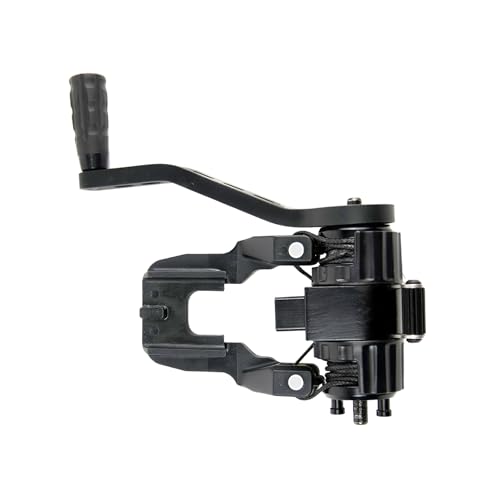
- Cocking hardware — rope cocker, or a DSC crank and its handle/hardware.
- Nocks, field points, and quiver hardware for your bolts.
- Screws, bolts, and mounting hardware for the scope rail, stock, and foot stirrup.
- Major components — limbs and trigger assemblies (safety-critical; see below).
Stock the small, cheap items (dampeners, hardware, spare nocks) in your kit so a minor issue never ends a hunt. See more on our parts and accessories pages.
Compatibility by model
Killer Instinct built many platforms over the years, and parts rarely cross between them. Before ordering:
- Identify your exact model and year — e.g. Fierce 405, Fatal-X, Tempr-X, Vital-X 430, Logix 435 — since limbs, cams, strings, and triggers differ.
- String/cable lengths are cut per model; crank housings are molded per stock; dampener locations vary.
- Universal-ish items (rail lube, string wax, generic hardware) are fine across models, but anything structural must match.
Check the OEM part number or your owner's manual, and contact Killer Instinct support for major components. Accessories and parts differ by model — never assume a part fits another platform.
DIY vs professional service
Know your limits — some jobs are safe at home, others aren't:
- DIY-friendly: replacing dampeners and string stops, swapping nocks/points, tightening rail and stock hardware, waxing the string, applying rail lube, mounting a scope.
- Press or pro recommended: replacing strings and cables (most models need a crossbow press), and any limb work.
- Pro / factory only: trigger assembly service and anything affecting the fire-control or anti-dry-fire system. These are safety-critical — don't improvise.
If a repair affects how the bow holds or releases energy, and you're not fully sure, send it to a pro shop or Killer Instinct service. A cheap part is never worth an injury.
Maintenance and inspection tips
Regular checks catch problems before they become failures:
- Before each outing, inspect the string and serving, check that dampeners are seated, and confirm rail hardware and scope screws are snug.
- Wax the string every several sessions and lube the rail to slow serving wear.
- Verify the anti-dry-fire and safety engage correctly — never bypass them.
- Keep a small field kit: hex keys, spare nocks and points, string wax, and a dampener or two.
- Log shot counts so you know when strings and high-wear parts are due.
Fresh parts keep your speed and zero consistent, which protects your scope calibration and gets the most from your bolts.
Related upgrades
While you're servicing the bow, consider:
- Strings and cables — the most common part to refresh.
- DSC Dead Silent Crank — a cocking upgrade if your model supports it.
- Cases — protect the bow so parts last longer between replacements.
Deciding whether to repair or upgrade the whole bow? See our best Killer Instinct crossbow guide and full reviews.
What Actually Wears Out First
On a crossbow, the frame outlives everything bolted to it. In rough order of how often they need replacing:
- Rail lube - the cheapest part on this list and the one that decides how long your string lasts. Killer Instinct sells Everything Crossbow Lube for the string, cable and barrel; apply it directly to the string and the string servings.
- Strings and cables - consumables with a service life, not permanent parts. Replace as a matched set: see the strings guide.
- Nocks and bolts - a cracked nock is a dry-fire waiting to happen. Inspect before every session; the bolts page covers HYPR options.
- Cocking aids - rope cockers wear at the hooks. Killer Instinct lists the Narrow Sled Rope Cocker (1041) and the Quik-Draw Rope Cocker with molded handles; a DSC crank is the upgrade path.
One safety part worth knowing about: the Deadstop decocking bolt (model 1066) and decocking tip (1066-1) let you unload without firing into the ground. The catalog notes it is not for use in SWAT series crossbows.
Not sure which worn part is behind the trouble? Our Killer Instinct crossbow troubleshooting guide matches the most common problems to the part to swap first.
In Canada, sourcing spares can take longer - our Killer Instinct crossbows in Canada guide covers where to buy parts and service a bow locally.
Popular options on Amazon
Prices change often - check the current price on Amazon.



Frequently Asked Questions
Are Killer Instinct crossbow parts model-specific?
Mostly, yes. Strings, cables, limbs, cams, crank housings, and triggers are cut or molded per model, so they rarely interchange. Universal items like string wax and rail lube work across the lineup, but structural parts must match your exact model and year.
What parts wear out most often on a crossbow?
Strings and cables are the top wear item, followed by rubber dampeners and string stops, and rail/serving wear. Keeping spare nocks, dampeners, and hardware on hand means a small issue won't end a hunt.
Can I replace crossbow parts myself?
You can safely DIY dampeners, nocks, hardware, waxing, and scope mounting. String/cable changes usually need a crossbow press, and trigger or limb work should go to a pro shop or Killer Instinct service because it affects safety.
Where do I find the right part for my model?
Identify your exact model and year, then match the OEM part number from your owner's manual or the product listing. For limbs, triggers, or other major components, contact Killer Instinct support to confirm the correct part.
Ready to check the latest price?
Check Replacement Parts on Amazon